
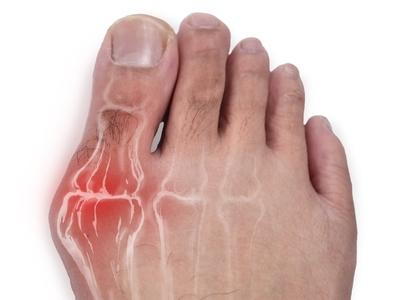
Bunions, or hallux valgus, are bony protrusions that develop at the base of the big toe, often causing discomfort and affecting mobility. Contributing causes include genetics, improper footwear, and certain foot mechanics. Bunions can progress to a point at which they significantly impact your quality of life. Fortunately, at Warrenton and Fair Oaks Foot and Ankle in Warrenton and Fair Oaks, Virginia, Dr. Ken Goldstein and Dr. Steven Goldstein provide non-surgical treatments that can provide relief.
Footwear Modifications
One of the best non-surgical approaches to managing bunions is making better footwear choices. Shoes that are too tight or narrow can exacerbate bunion pain and contribute to their progression. Picking shoes with a wide toe box allows more room for the toes, reducing pressure on the bunion. Additionally, shoes with soft, flexible materials can help minimize irritation and discomfort.
In some cases, custom orthotics may be recommended. These are personalized shoe inserts that provide support and help correct foot mechanics. By redistributing pressure away from the bunion, orthotics can alleviate pain and improve foot function.
Padding and Taping
Using padding and taping techniques can also provide relief from bunion discomfort. Bunion pads, which are soft cushions placed over the bunion, can help reduce friction and pressure from footwear.
Taping the foot can help realign the big toe and reduce strain on the bunion. This technique can provide temporary relief and improve comfort while walking. However, it’s essential to consult with your Warrenton and Fair Oaks, Virginia, podiatrists to ensure that taping is done correctly and safely.
Physical Therapy
Physical therapy can play a significant role in managing bunion pain and improving foot function. Stretching exercises can help alleviate tension in the tissues surrounding the bunion, while strengthening exercises can improve stability and support.
Incorporating foot exercises into your daily routine can also help improve foot mechanics, potentially reducing the progression of the bunion. Regular physical therapy sessions can provide valuable guidance as you work toward managing your bunion symptoms.
Anti-Inflammatory Medications
Over-the-counter anti-inflammatory medications, such as ibuprofen or naproxen, can help reduce pain and swelling associated with bunions. These medications can be particularly useful during flare-ups or after prolonged periods of activity. However, it’s essential to use these medications as directed and consult with a healthcare professional if you have any concerns or underlying health conditions. Dr. Ken Goldstein and Dr. Steven Goldstein at Warrenton and Fair Oaks Foot and Ankle can also provide injections of stronger anti-inflammatory medication, if needed.
Cold Therapy
Applying cold therapy to the affected area can provide fast relief from bunion pain and inflammation. Using an ice pack or a cold compress for 15-20 minutes can numb the area and reduce swelling. This simple technique can be particularly effective after a long day on your feet or following physical activity.
Try Conservative Management for Bunions
Bunions can be a source of discomfort and frustration, but there are several non-surgical treatment options available to help manage them and prevent their progression. If you’re experiencing bunion pain or have concerns about your foot health, we encourage you to reach out to Dr. Ken Goldstein and Dr. Steven Goldstein at Warrenton and Fair Oaks Foot and Ankle. Call our Warrenton, Virginia, office at (540) 347-9393 or our Fair Oaks, Virginia, office at (703) 264-0500.