
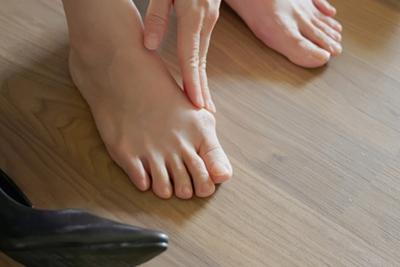
If you have noticed a bony bump forming at the base of your big toe, you may be wondering if it is a temporary irritation or a permanent change. At Warrenton and Fair Oaks Foot and Ankle, Dr. Ken Goldstein, Dr. Steven Goldstein, and Dr. Ernie Luczkowski frequently treat patients who are concerned about the longevity and progression of bunions. While they may start as a minor cosmetic annoyance, the reality is that they are structural deformities of the foot. Without proper intervention, bunions are progressive conditions, meaning they typically get worse over time.
The Mechanics of Joint Misalignment
A bunion, or hallux valgus, occurs when the long bone of the foot shifts outward while the big toe leans inward toward the smaller toes. This misalignment changes the mechanics of how you walk and distribute weight. As the joint continues to be stressed by movement and pressure, often exacerbated by narrow footwear, the deformity becomes more pronounced. Over months or years, the soft tissues and ligaments around the joint may stretch or tighten in a way that pulls the toe further out of place, making the protrusion more visible and permanent.
Symptoms That Evolve with the Condition
As bunions progress, the symptoms often shift from occasional discomfort to chronic pain. Initially, you might only feel soreness after a long day of walking or wearing tight shoes. However, as the joint becomes more misaligned, you may experience persistent redness, swelling, and even the development of corns or calluses where the toes rub together. In advanced stages, the big toe may even overlap the second toe, leading to a condition known as hammertoe. This progression can significantly limit your ability to find comfortable footwear and may eventually hinder your mobility.
Conservative Management to Slow Progression
While you cannot reverse a bunion without surgical intervention, there are several ways to slow its progression and manage the pain. In our Warrenton and Fair Oaks, VA, offices, we emphasize the importance of objective diagnostics to determine the severity of your condition. We often recommend custom orthotics to redistribute pressure, padding to reduce friction, and specific stretching exercises to maintain joint flexibility. Selecting shoes with a wide toe box is perhaps the most critical lifestyle change you can make to prevent the rapid worsening of the deformity.
Expert Podiatric Care in Virginia
Whether you are in the early stages of noticing a change in your foot structure or have had a bunion for a long time, the Warrenton and Fair Oaks Foot and Ankle team of experts, including Dr. Ken Goldstein, Dr. Steven Goldstein, and Dr. Ernie Luczkowski, is here to provide evidence-based treatment protocols. By correcting bunions early, we can help you maintain your active lifestyle and prevent the need for more invasive procedures later. If you need a consultation, call our Warrenton, VA, office at (540) 347-9393 or our Fair Oaks office at (703) 264-0500.